Additional information
| Wine Type | |
|---|---|
| Country | |
| Region | |
| Subregion | |
| Vintage | |
| Producer | |
| Appellation | |
| Classification | |
| Bottle Size | |
| Pack Size | |
| Pack Type | |
| Alcohol Percentage | |
| Availability |
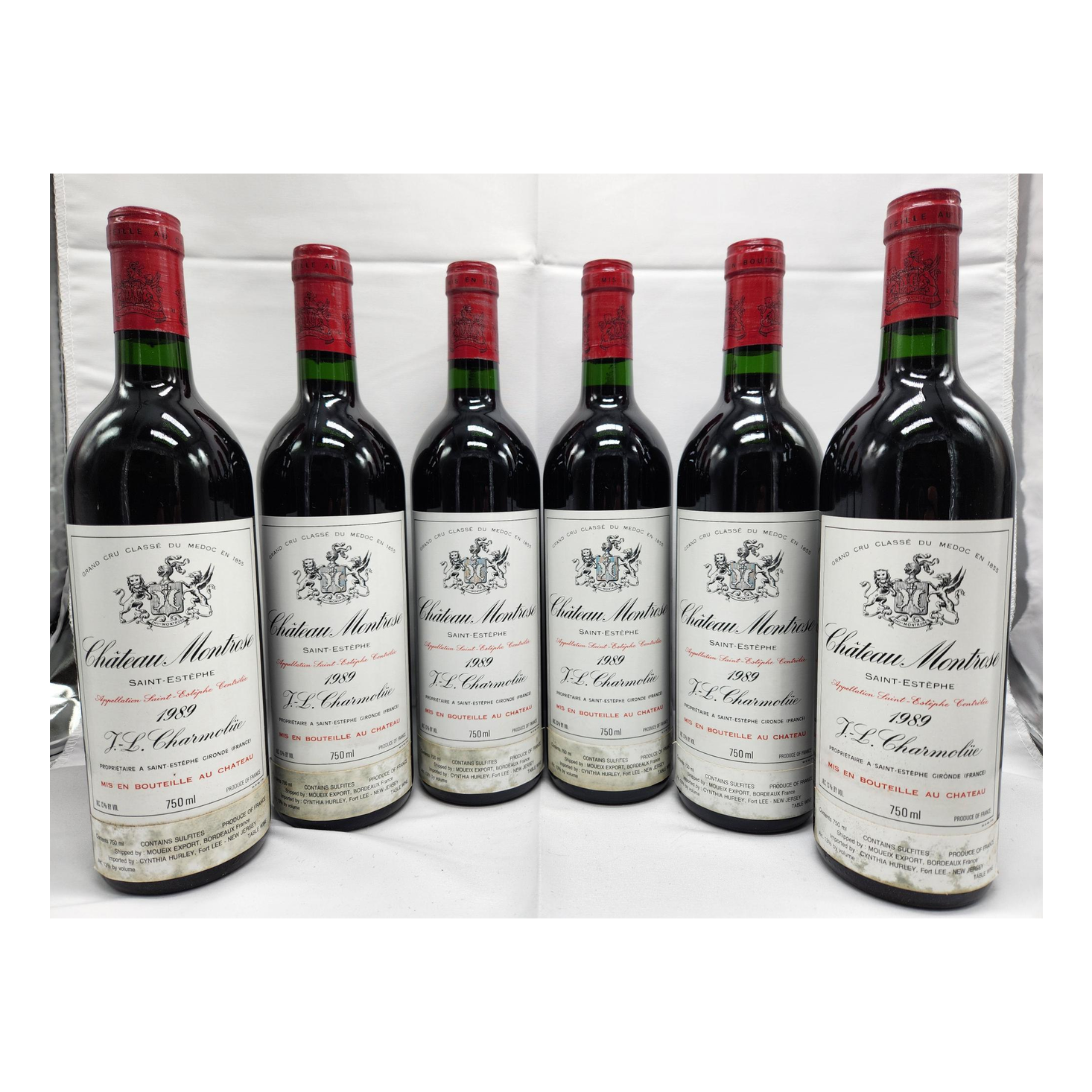
$550.00
2 for sale
Availability: Future Arrival
| Wine Type | |
|---|---|
| Country | |
| Region | |
| Subregion | |
| Vintage | |
| Producer | |
| Appellation | |
| Classification | |
| Bottle Size | |
| Pack Size | |
| Pack Type | |
| Alcohol Percentage | |
| Availability |
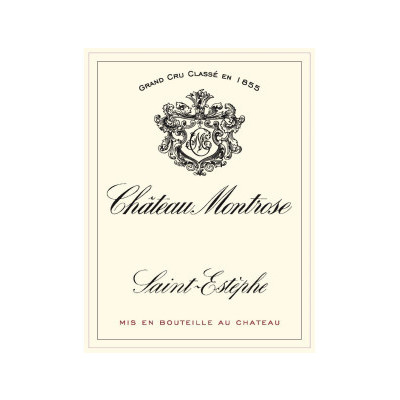
The 1989 Montrose can flirt with perfection when it wants to. This bottle, poured blind, is not the best example I have tasted, partly because it displays just a soupcon of Brettanomyces on the nose. The aromatics have a lovely warmth, with blackberries, rosemary and pencil shavings. However, because of the Brett, I feel that other bottles display more delineation. The palate is well-balanced, with a succulent entry and moderate depth. It’s a little more savory than expected, which is why I failed to identify it. I will put a question mark against my score because there are definitely better bottles out there. Tasted blind at Chez Bruce, London.
The 1989 Montrose can be a brilliant wine, but it’s also subject to notable bottle variation. I drank this wine twice in 2021: the first was the best bottle of some two dozen I have encountered over the last decade, and the second (from a cold English cellar where it had been stored since release) was the worst. At its best, this is a remarkably rich, lavish Montrose, bursting with aromas of ripe berry fruit, cigar box, black truffles and grilled meats, delivering a full-bodied, voluptuous, low-acid profile on the palate. When the Brettanomyces dominates, the wine’s aromas are marred by medicinal, band aid-like aromas and the finish is a touch dried out. My score reflects the wine at its best, but readers’ mileage may vary.
Anticipated maturity: 2009-2039