Additional information
| Wine Type | |
|---|---|
| Country | |
| Region | |
| Subregion | |
| Vintage | |
| Producer | |
| Appellation | |
| Bottle Size | |
| Pack Size | |
| Pack Type | |
| Alcohol Percentage | |
| Availability |
$600.00
1 for sale
Availability: Future Arrival
| Wine Type | |
|---|---|
| Country | |
| Region | |
| Subregion | |
| Vintage | |
| Producer | |
| Appellation | |
| Bottle Size | |
| Pack Size | |
| Pack Type | |
| Alcohol Percentage | |
| Availability |
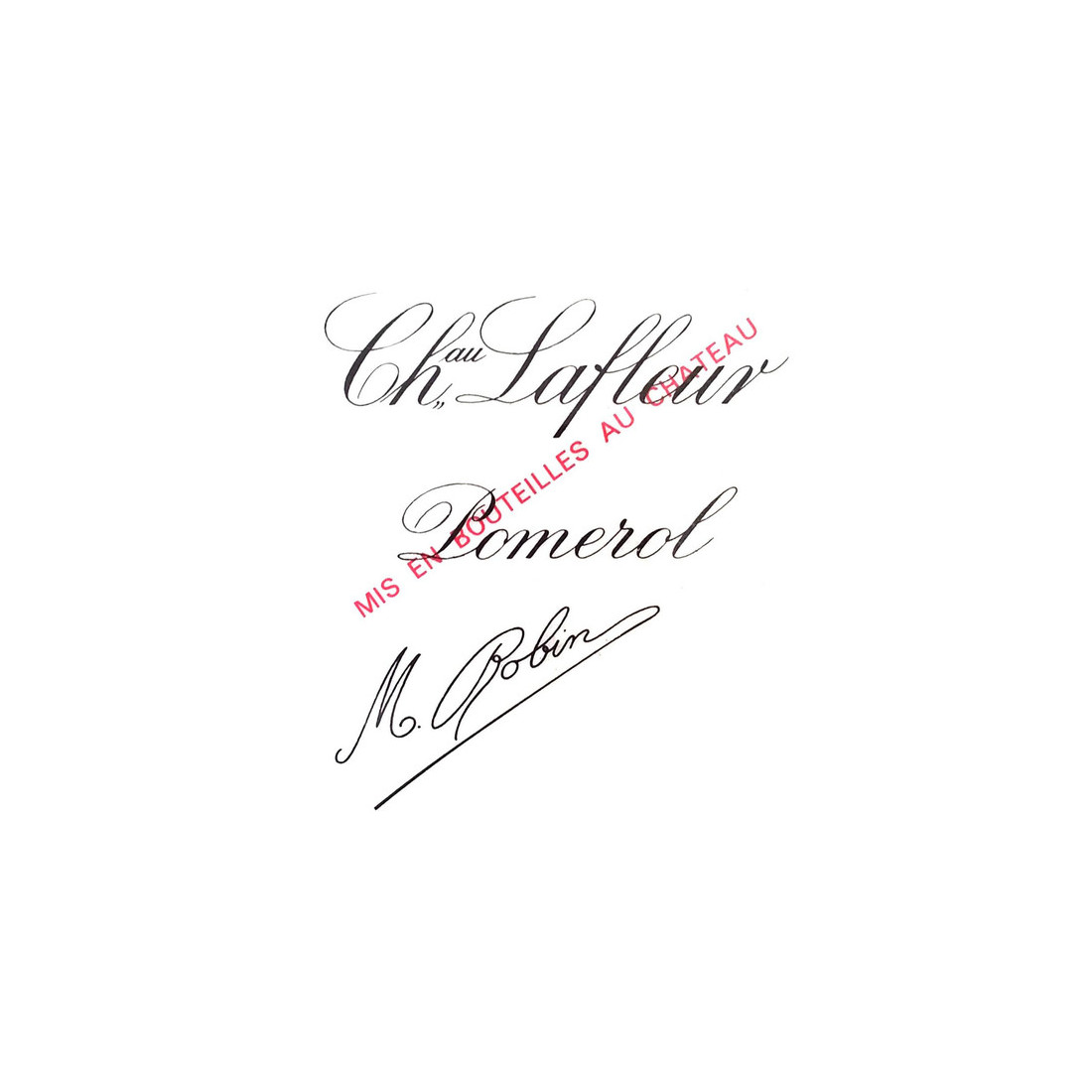
The 2003 Lafleur is a commendable Pomerol from a year when the appellation struggled. There is just a touch of blowsiness on the nose, which articulates the growing season more than the terroir with stewed plum, mulberry and a touch of melted tar. The palate is plump and powerful, rounded with lower acidity than other vintages (as you would expect), quite sweet with a touch of kirsch on the finish. Fine, if a bit unexciting and lacking Lafleur’s DNA. Tasted from ex-château magnum at Kate & Kon’s 40-Year vertical in Austria.
Anticipated maturity: 2026-2044
Tasted at Bordeaux Index’s “10-Year On†tasting in London. The Lafleur 2003 shows its class on the nose with better definition than its Pomerol neighbours: lovely gamey notes coming through with bacon fat and roasted chestnuts that at least give it a sense of personality. The palate is medium-bodied with fine tannins and perhaps this is evolving into a more feminine Lafleur than expected ” certainly approachable with fine cohesion. The difference here is that Jacques Guinaudeau’s wine shrugs off the merciless heat of the vintage, is not oppressed by it. It is not a top tier Lafleur and is outclassed by Petrus, but it remains an enjoyable Pomerol. Tasted March 2013.